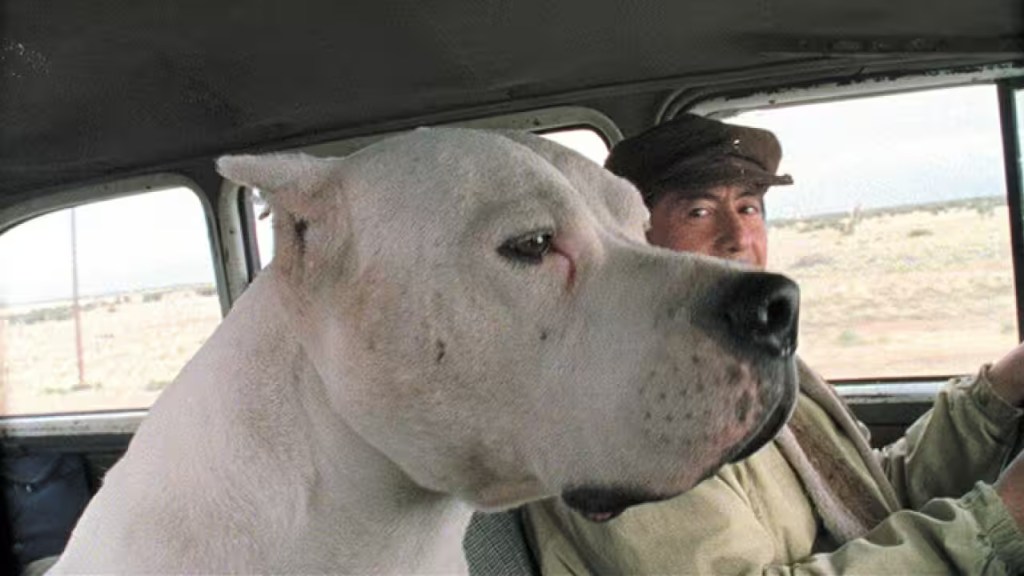
While preparing this article, I learnt that the national animal of Argentina is a small, rust-coloured bird called the rufous hornero. At first glance, it might seem an unassuming representative for a country in possession of such a complex culture. This is a nation whose history can be traced through numerous indigenous civilisations and pre-Columbian empires, the legacy of Spanish colonialism, and, of course, several modern civil wars. However, the modest bird’s significance is a testament to the hard work embodied in its distinctive nest-building, its rugged determination to survive in varied terrain, and, importantly, its beautiful singing voice. Possessing hefty frames, stout features, weathered white coats, and muscular, rolling gaits, Dogo Argentinos are unlikely bedfellows to the rufous hornero, yet both animals symbolise a similar sense of self-determination. These canines serve as equally important ambassadors for a nation defined by its peoples’ force of will, shaped by continual social upheaval.
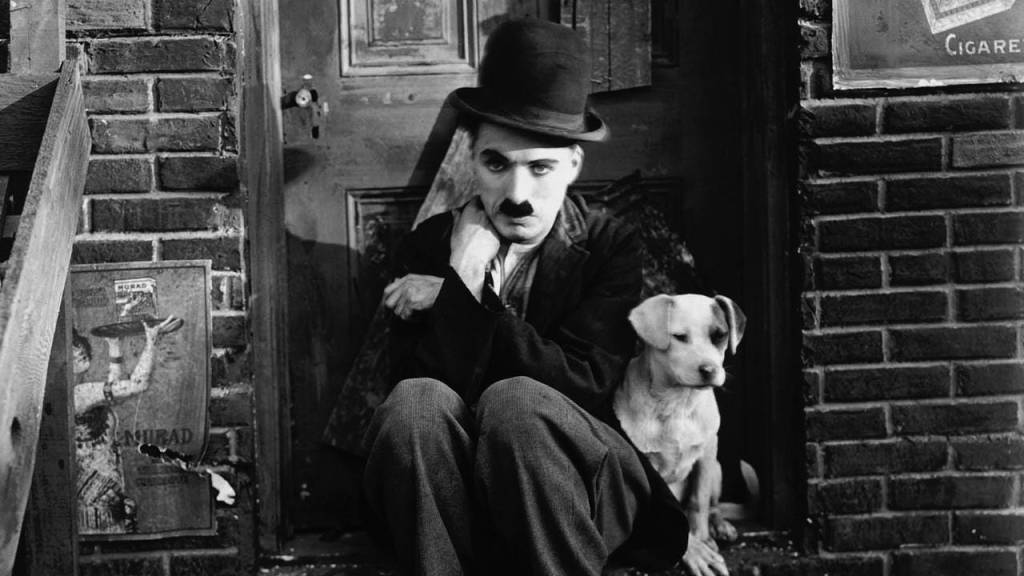
Bombón, El Perro (2004), known simply as El perro in its homeland of Argentina, is a film that seeks to frame this national mood through the sheer charisma and star presence of its on-screen hound. It belongs to an exceptionally long line of pooch-fronted features such as A Dog’s Life (1918), Lassie Come Home (1943), White God (2014), and 777 Charlie (2022) that use their canines to illustrate important issues of moral agency and empathy. The fact that this blog has not already been subsumed by my overriding fascination with ‘dog pictures’ is a source of substantial surprise to myself. You can expect me to turn my attention to those other features sooner rather than later.
Bombón, El Perro’s director, Carlos Sorín, had already made his name in the Argentine film industry with two comedy-dramas in prior decades. However, it was in Intimate Stories (Historias minimas, 2002) that he laid the neo-realist foundations that he would return to for this later feature. Utilising predominantly non-professional actors, rural settings, and naturalistic cinematography, both these films foreground Sorín’s human-interest observations of life in the windswept expanses of Patagonia. As the director would state shortly after Bombón, El Perro’s release, ‘my tendency was to emphasise a realistic point of view, which gives a raw element, almost like in a documentary’ (Kalinowska 2005).
In neo-realist tradition, Bombón, El Perro affords an opportunity to explore the lives of individuals neglected by the film industry’s drive towards glamour and polished spectacle. The hero of this fable is ‘Coco,’ tenderly portrayed by Juan Villegas, a parking attendant who Sorín would meet at a garage near the director’s production company in Buenos Aires (Sorín 2004). Coco is a 52-year-old mechanic and, after the remote gas station where he is employed shuts down, struggles to make a living selling knives with carefully crafted handles. Villegas plays the lead with affable dignity that endures his hardships in quiet contemplation. Despite his troubles, Coco is shown consistently going out of his way to help others with his skills. At the end of the film’s first act, a widow, grateful for his help reviving a broken-down car, gifts him an enormous Argentine mastiff that transforms his life in ways he never could have anticipated.
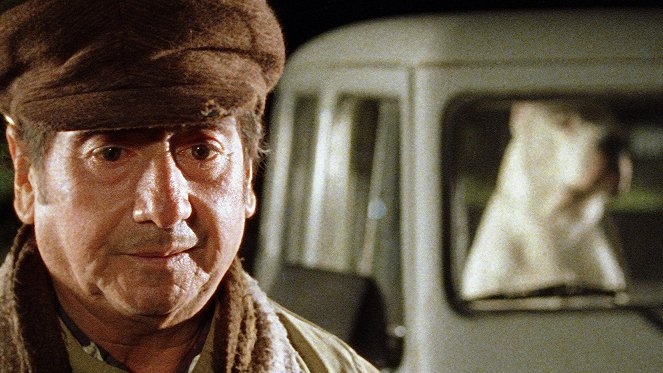
Initially calling him Lechien through a misunderstanding of the words le chien (French for ‘the dog’) on a sign that hangs above his kennel, Coco eventually nicknames his new companion Bombón. What follows is a man-and-dog road movie where Coco’s life is dramatically transformed by Bombón’s charm and, ironically, considering his small and delicate namesake, his towering presence. Gregorio is the Dogo Argentino who portrays Bombón’s 40 kilos of taciturn muscle, seemingly filling every frame he appears in. His inscrutable expression is the perfect complement to Villegas’ baleful resilience and, without diminishing the film’s other numerous strengths, their interactions steal every scene they share.
Sorín would argue that he appreciated Gregorio’s reserved nature, stating that ‘he’s not very affectionate, he’s a bit of a mystery himself and you never really know what he is going to do,’ arguing that ‘some moments you actually see that he is thinking, he’s got his internal conflicts’ (Clee 2007). Sat in the front passenger seat of Coco’s old camioneta, Bombón strikes a stately figure that affords the man a sense of self-assured confidence and unwavering composure that he desperately needs.
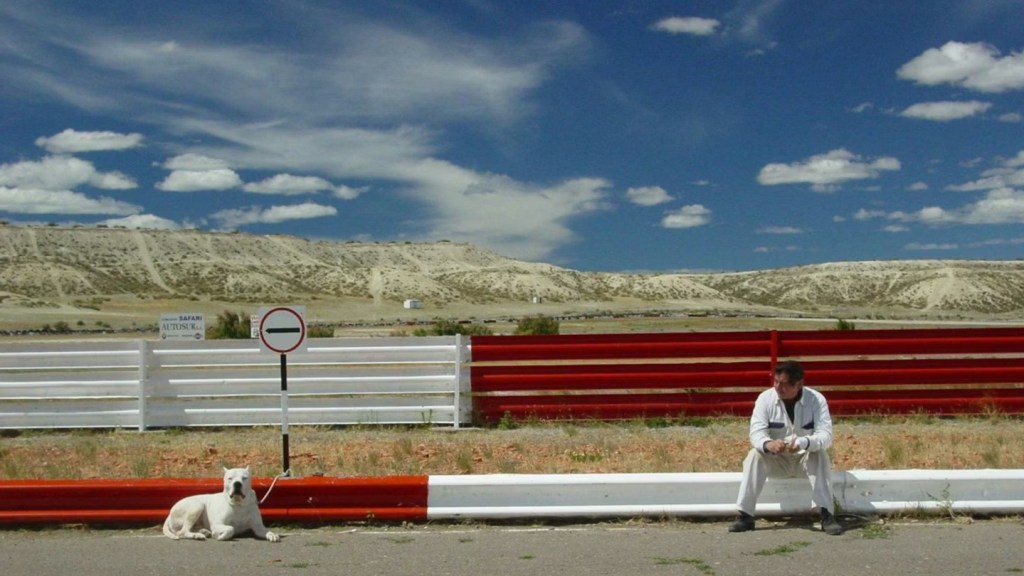
Now travelling with Bombón at his side, Coco’s fortunes begin to change. He finds himself recruited as a security guard at a wool warehouse and, as the plot develops, is gradually drawn deeper into the world of dog training and exhibition. Throughout, Coco’s relationship with Bombón is one guided by empathy and solidarity, privileging acts of decency and compassion over opportunities for wealth and personal gain. He refuses, for example, the order to set the dog upon a beleaguered ex-guard who returns to the warehouse to fetch his possessions. Similarly, while those he encounters are keen to exploit Bombón as the valuable commodity they perceive him to be, Coco sees him as an inseparable ally, allowing the dog’s autonomy to reflect the man’s own freedom and agency.
Both find their identities systematised based on their perceived value. While Coco’s is dehumanised when broken down for a computer used at his local job agency, Bombón’s is associated with prestige. He is described as a ‘posh dog’ when Coco looks through his papers, fathered by ‘a grand champion’ named ‘Quilapán de los Andes’ after an Araucanian chieftain. In one of the film’s most significant turning points, a bank manager, motivated by his admiration of Bombón, invites Coco into his office. There, he explains how possession of the breed affords access to both financial and social affluence, highlighting his experiences on hunting expeditions. Showing him a photograph of his own Dogo Argentino, horrifically wounded after being gutted by a wild boar, the manager unnervingly states that ‘they don’t feel pain… they are beasts from outer space.’ Coco’s disgust and reluctance are matched only by Bombón, who cocks his leg and urinates underneath the bank manager’s desk, unseen.

For the hunters and breeders who Coco encounters, Bombón is little more than a ‘specimen’ to be prized for the physical traits relentlessly bred into him. Teaching Coco how to prepare the dog for exhibition, the dog trainer Walter Donado corrects Bombón’s posture by firmly gripping his head. ‘This is what we’re trying to sell,’ he explains. The mastiff’s character, however, seems made of firmer stuff than many of the humans that they confront. When attempting to stud him, the owner of the female Dogo Argentino is infuriated by Bombón’s utter disinterest. ‘This dog is a coward!’ he angrily exclaims at Coco. ‘She’s in heat today. I’ll have to wait another six months! Who pays me for the food? Who pays me the lost profits? Who? You?’
Coco is clearly enamoured by the newfound respect and appreciation that Bombón grants him. The look of pride on his face when he and the dog are awarded third in a local competition expresses the unexpected satisfaction of the recognition denied him his entire life. Even so, Coco becomes increasingly dissatisfied with the unrelenting machismo that stands in stark opposition to his own gentle and measured outlook. The film ends with Coco in search of Bombón, who has escaped from Donado’s kennels. He is delighted to discover him at a nearby building site, freely mating with a black mongrel of clearly indeterminate breed. Bombón’s act, while more impulsive than intentional, is nevertheless a triumphant defiance of his breeders’ own financial desires and a compelling vindication of his irrepressible freedom. As Coco and Bombón depart together in their van, joined by a pair of hitchhikers similarly in search of work, the possibility of a freer, more self-determined future quietly emerges.

It is through Sorín’s neo-realist lens that comparisons between Coco and Bombón seem most apt. Rather than relying on intense dialogue, the director chooses to foreground their expressions. ‘I have always preferred gesture to text in cinema,’ Sorín would note, ‘a look, a silence, an imperceptible grimace glimpsed in a close-up, expresses far more than any rhetoric,’ (Sorín 2004). His camera lingers upon Bombón and Coco as they both warily observe those around them. Even motionless, the dog is constantly watching, offering silent judgment on the injustices they encounter. Similarly, it is the expression in Coco’s eyes that wordlessly conveys his distaste when an agency administrator, for example, threatens and admonishes a caller for complaining that they have been underpaid by their employer.
In contrast to Coco’s well-meaning and affable personality, the spectre of Argentina’s political landscape remains ever-present. Following decades of military dictatorships, Argentina had suffered one of its worst recessions in the years that preceded Bombón, El Perro’s release. As the economist Kurt Schuler summarises, the country was emerging from ‘deepening depression; unemployment among nearly a quarter of its working population; and poverty among more than half of its people’ (2005: 267). In two extraordinary weeks of Argentine history at the end of 2001, the country would rotate through five presidents, one of whom defaulted on the government’s foreign debt. As Coco states in his predictably understated manner while job hunting, ‘things are not going too well.’
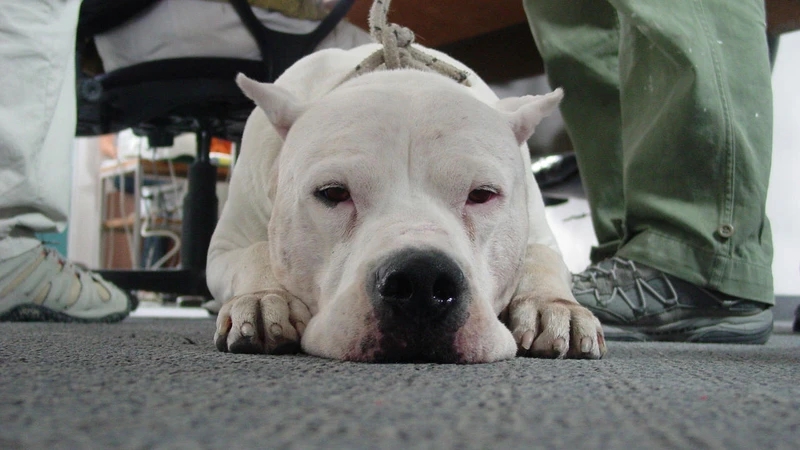
‘I wanted to tell the story of an unemployed man,’ Sorín would state, ‘you see it in the streets unlike before. There are queues for food and begging for charity, so many people, which we call “Cardboard Men” that go through the rubbish and sell the recyclable stuff to those who have commercialised recycling’ (Kalinowska 2005). It is no coincidence that Sorín had also used a canine to frame the narrative of his earlier neo-realist work, Intimate Stories. This earlier film had centred much of its drama upon a character who searches for a lost dog to atone for the guilt of a hit-and-run accident that weighs upon him. In With Dogs at the Edge of Life, Colin Dayan argues that representations of these animals are often used to orient definitions of our own species. He terms the cinematic representation of so-called ‘Pariah Dogs’ as reflecting the ‘mercenary pressures of progress,’ enacted through the ‘disposal and extermination’ of creatures that society deems unfit for survival (2016: xv).
The Dogo Argentino, bred for hunting large game in Córdoba just under a century ago, is rife with cultural meaning. It was purposefully created from stock of the city’s Córdoba fighting dog to increase the breed’s size, while retaining and enhancing its physical power and stamina after Argentina outlawed dog fighting in 1954 (Wilcox & Walkowicz 1995: 340). In my own country, the United Kingdom, as well as numerous others, the breed was banned when the Dangerous Dogs Act 1991 was introduced. There are probably few animal-related debates that I could engage with that are thornier than those surrounding aggression in canines, and probably fewer still that are approached without immediate assumption and bias.

Although we live in a world governed by those who repeatedly seem to undermine existing expertise when constructing policy, research should, I believe, remain our first turning point whenever engaging with such contentious topics. Several studies have been conducted on Dogo Argentinos in the hopes of better understanding their temperaments and how these are impacted by their upbringing. One such examination, for example, found numerous ‘critical predictors of many outcome variables’ that indicated when signs of aggression and nervousness would appear (Diverio & Tami 2014: 151). These included distinctions between kennel and house living dogs and, most significantly, the level of experience possessed by the owners and how familiar they were with handling the breed (ibid.).
Similarly, a later study of various types of dogs found that ‘no breeds in particular were responsible for severe or multiple bites towards either humans or dogs’ (Notari et al. 2020: 1162). Instead, they asserted that ‘helping owners to have a better understanding of their dogs’ welfare, behaviour and communication via educational programs’ acted as a deeply necessary method of harm prevention (ibid.). The RSPCA has long pointed towards Breed Specific Legislation unnecessarily being used to justify the euthanasia of thousands of dogs in Britain that have been put down despite exhibiting no behavioural issues. In evidence submitted to a government inquiry on this legislation, the organisation noted that, despite its introduction, hospital admissions for dog bites rose by 76% (RSPCA 2018). They argued that a lack of educational resources and scientific research acted as a notable detriment to public safety (ibid.).

This debate, concerning the distinctions between innate and learned behaviours, is one that Sorín’s film is deeply interested in. When Bombón’s initial owners discuss his breeds’ temperament, the older woman states that ‘nobody is born bad,’ while the younger observes that ‘they are not bad, but wild.’ I am neither qualified nor willing to moralise on the inherent natures of Dogo Argentinos. However, eschewing prejudice and generalisation of the breed itself, I am more than happy to lay such responsibility at the feet of the negligent processes of genetic selection, mistreatment, and improper training that are endemic in the world of dog breeding and ownership. The repeated and resounding failure of humanity to properly care for and protect the species we have willingly bred into existence is, quite simply, unconscionable.
While outlawed (shockingly recently) in the UK, mutilations such as tail docking and ear cropping are commonly inflicted upon Dogo Argentinos and other breeds globally. Although dog fighting has been outlawed by many nations, illegal rings continue to operate or are simply tolerated due to lacklustre enforcement. A 2018 report by the ASPCA estimated that there were ‘tens of thousands of dog fighters across the country’ and claimed that they had, in a single year, ‘rescued more than 400 animals’ utilised within the blood sport (ASPCA 2018).
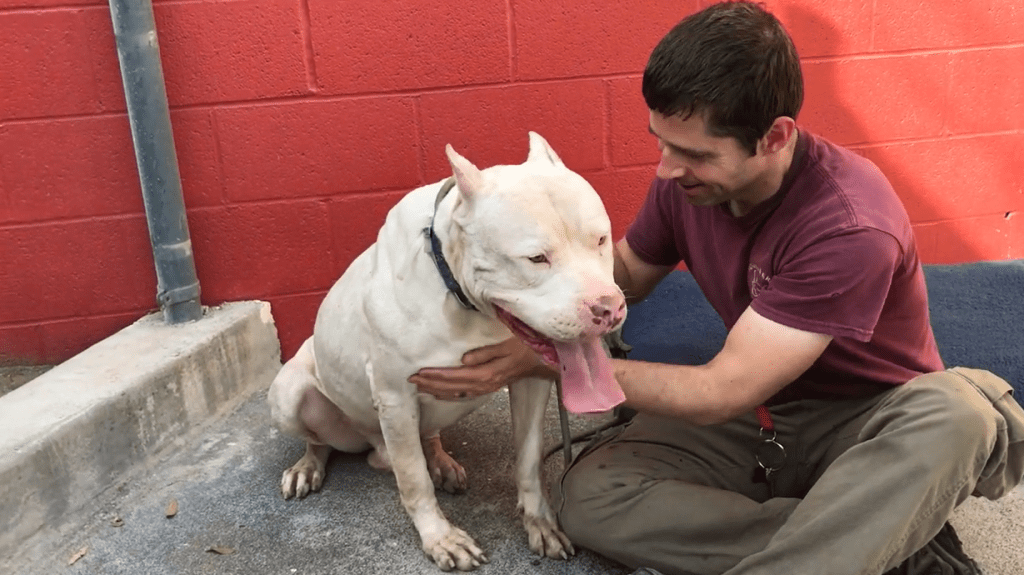
Distressingly, the mistreatment of dog breeds extends to acts that are not only legal, but social ingrained within our culture. One only needs to turn to the hereditary issues caused by selective breeding to observe that their physical well-being is of secondary importance to their appearance and status as commodities. One veterinary surgeon lists the conditions associated with Dogo Argentinos as including hip dysplasia, joint pain, mobility issues, arthritis, congenital deafness, and gastric dilatation volvulus ‘due to its large size and deep chest’ (Crookes & MacMillan 2025). Any discussion about criminal cruelty to canines is deeply entwined with those that any of us interested in dog welfare must contend with on an everyday basis when engaging with the animals.
As a neo-realist feature, Bombón, El Perro may look tough, but, just like its formidable-looking creature, is embodied by an unmistakable sweetness. Both Bombón and Coco are defined by their loyalty and gentleness, refusing to be constrained by the harsh realities of their world. Writing about Carlos Sorín’s features, Daria Cohen argues that the director’s protagonists might be termed ‘Subordinate or Quiet heroes’: ‘rather than combining mental and physical strength,’ she writes, ‘Sorín’s heroes’ successes are predicated on persistence and spirit’ (2016: 129). Placing its focus on characters that have been stripped of power, Bombón, El Perro is, if anything, a fable of adoption. The film’s muted, yet hopeful, conclusion expresses the grace that can be acquired for those who, mistreated and abandoned, are afforded a much-needed second chance.
Head Image: Bombón, El Perro, Cinema Tropical, 2004.
777 Charlie. 2022. D. Kiranraj K., Film, India: Paramvah Studios.
ASPCA. 2018. ‘ASPCA National Poll Reveals Dogfighting Goes Underreported Despite Hundreds of Thousands of Dogs Being Forced to Fight Nationwide,’ ASPCA, April 3: https://www.aspca.org/about-us/press-releases/aspca-national-poll-reveals-dogfighting-goes-underreported-despite-hundreds.
Bombón El Perro. 2004. D. Carlos Sorín, Film, Argentina & Spain: Cinema Tropical.
Clee, Peter D. 2007. ‘Bombon El Perro,’ LondonNet, December 13: https://www.londonnet.co.uk/cinema/cinema-interviews/bombon-el-perro/.
Crookes, David & MacMillan, Rebecca. 2025. ‘Dogo Argentinos are loyal and intelligent but also incredibly controversial,’ Pets Radar, May 3: https://www.petsradar.com/dogs/dog-breeds/dogo-argentino-breed-profile.
Dayan, Colin. 2016. With Dogs at the Edge of Life. New York: Columbia University Press.
Diverio, Silvana & Tami, Gabriella. 2014. ‘Effect of owner experience, living environment, and dog characteristics on owner reports of behavior of Argentine Dogos in Italy,’ Journal of Veterinary Behavior 9. 4: pp. 151-157.
A Dog’s Life. 1918. D. Charlie Chaplin, Film, USA: First National Pictures Inc.
Intimate Stories. 2002. D. Carlos Sorín, Film, Argentina & Spain: Guacamole Films.
Kalinowska, Ania. 2005. ‘Bombón: El Perro (2004) – Q&A interview with Carlos Sorin,’ Phase9, June 17: https://www.phase9.tv/bombon-el-perro-2004-q-and-a-interview-with-carlos-sorin/.
Lassie Come Home. 1943. D. Fred M. Wilcox, Film, USA: Metro-Goldwyn-Mayer.
Notari, Lorella, Simona, Cannas, di sotto, Ylenia Agetta & Palestrini, Clara. 2020. ‘A Retrospective Analysis of Dog–Dog and Dog–Human Cases of Aggression in Northern Italy,’ Animals 10. 9: 1162.
RSPCA. 2018. ‘Written Evidence Submitted by the RSPCA (DDL0229): Dangerous Dogs – Specific Legislation,’ UK Parliament, June: https://committees.parliament.uk/writtenevidence/91217/html/.
Schuler, Kurt. 2005. ‘Ignorance and Influence: U.S. Economists on Argentina’s Depression of 1998-2002,’ Econ Journal Watch 2. 2: pp. 234-278.
Sorín, Carlos. 2004. ‘Bombón, the dog,’ Casamerica: https://www.casamerica.es/cine/bombon-el-perro.
White God. 2014. D. Kornél Mundruczó, Film, Hungary, Germany & Sweden: InterCom Zrt.
Wilcox, Bonnie & Walkowicz, Chris.1995. Atlas of Dog Breeds of the World. Neptune City: TFH Publications.
 Creature Features: Animal Welfare on Screen